The article below was originally published by African Energy.
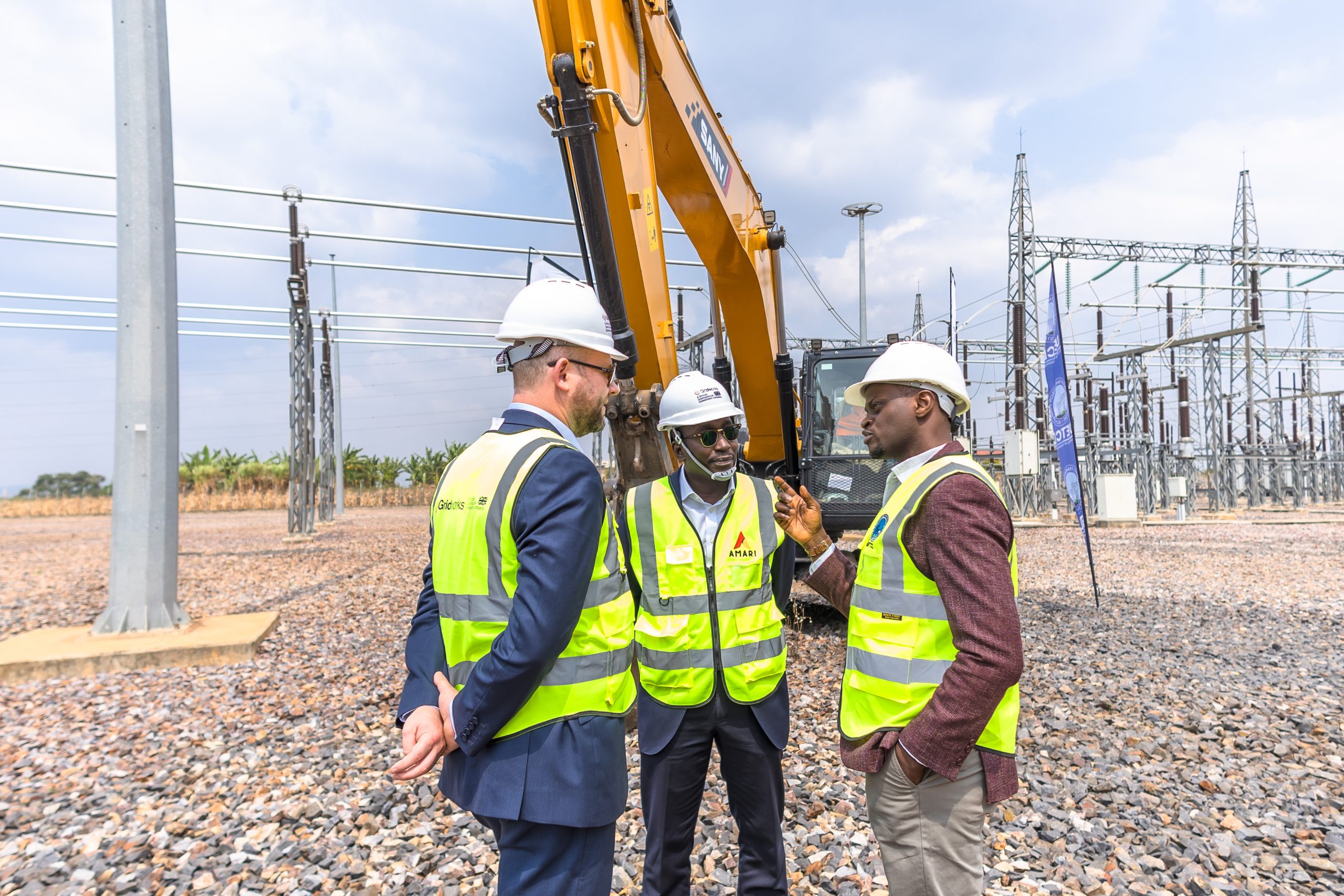
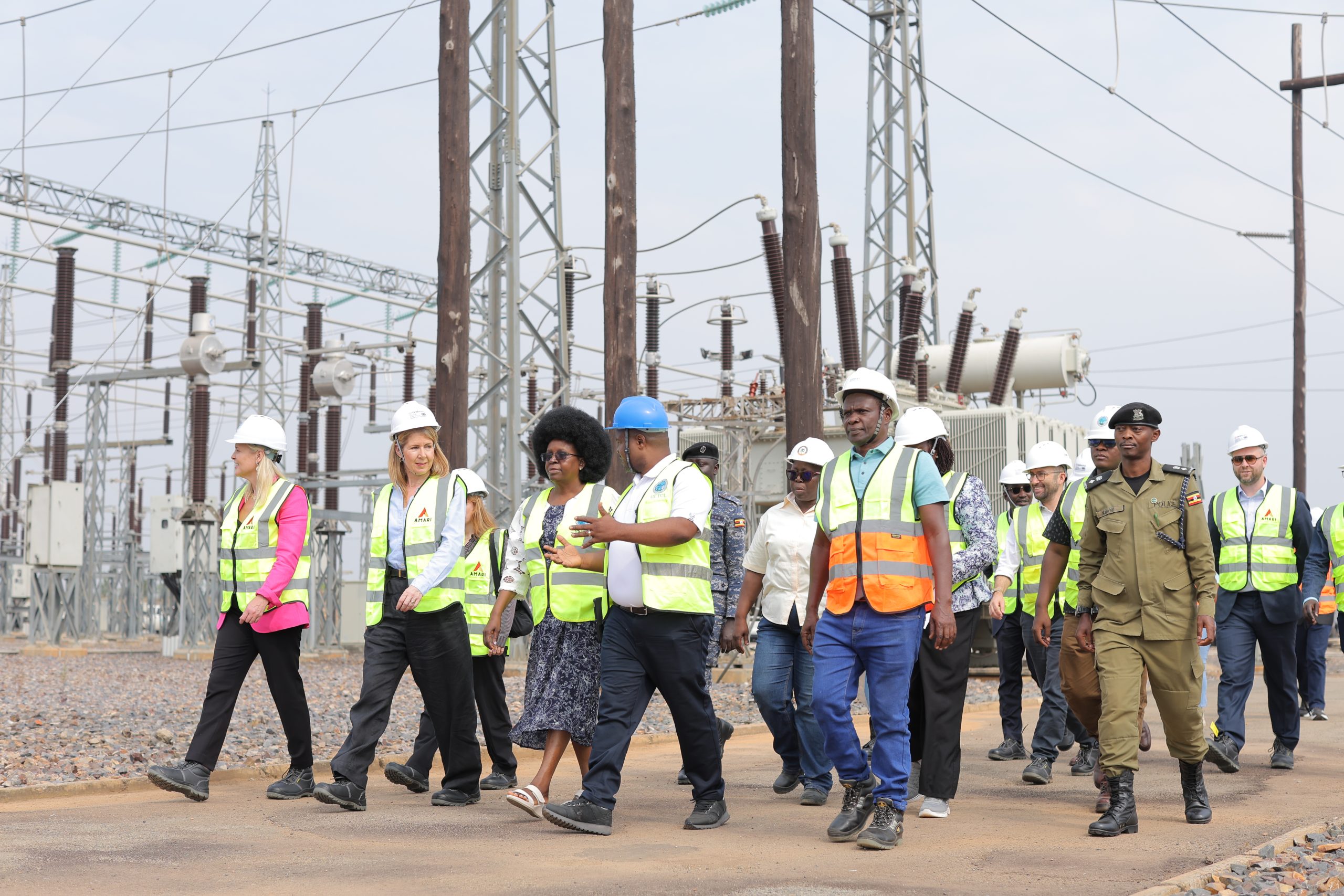
Following financial close for its Amari independent transmission project (ITP) in March, where construction started last month, started last month, Gridworks is now advancing its second Ugandan ITP (AE 541).
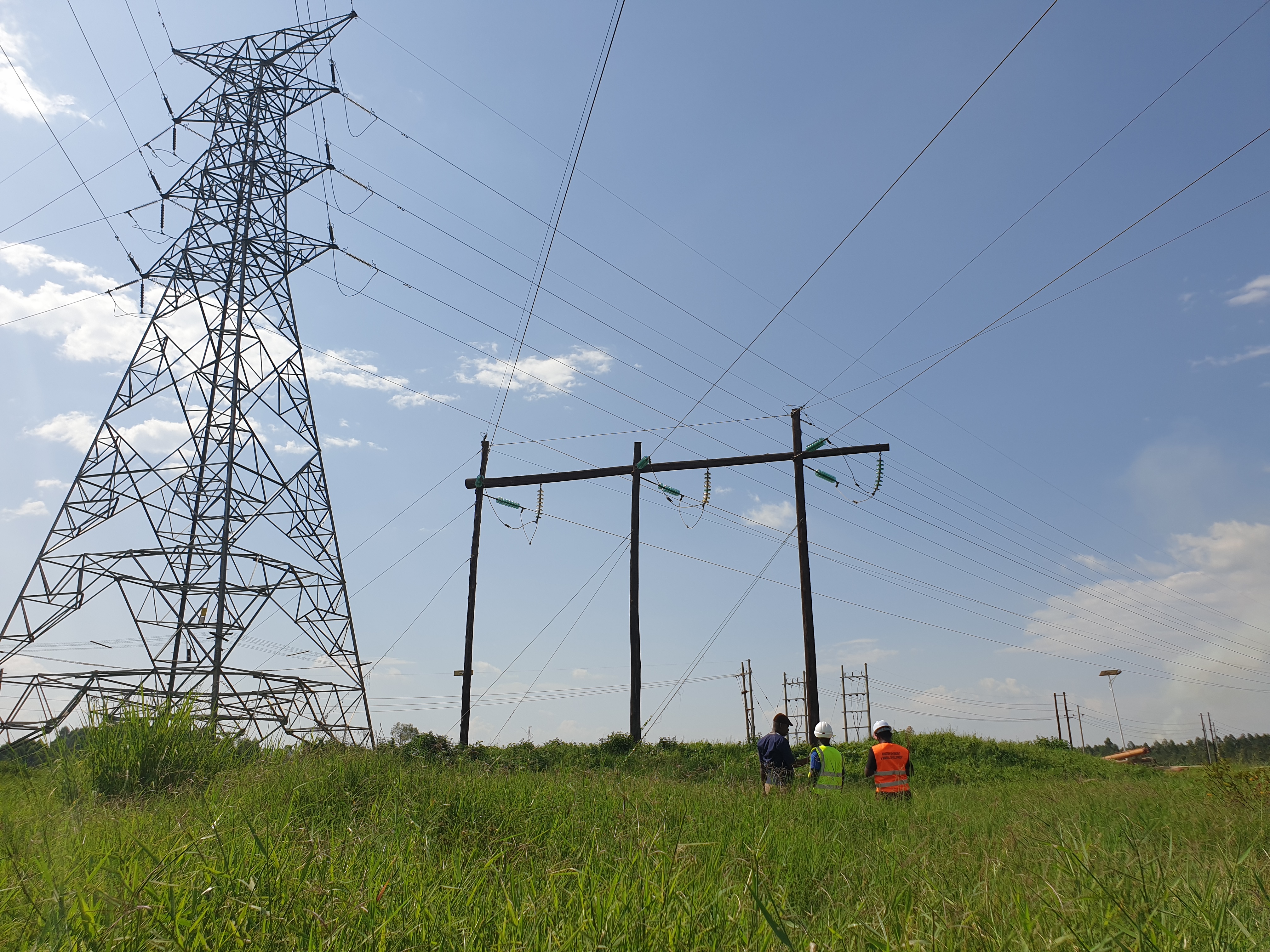
Named Gamani, the greenfield ITP comprises the 80km, 132kV Mbale-Bulambuli-Kween transmission line and two associated substations. A feasibility study contractor is being procured, with project development and procurement expected to be substantially completed by Q2 2027.
A deal for the privately-financed Gamani, estimated to cost around $100m, was signed between Kampala and the UK’s Gridworks in 2025 (AE 519). The Mt Elgon region project is expected to allow 250MW of additional renewable energy (RE) capacity to be dispatched to the Uganda Electricity Transmission Company Limited (UETCL) grid.
Uganda in the vanguard
Progress at the two Gridworks ITPs highlights Uganda’s shift towards encouraging much-needed private investment in its transmission networks – with other African electricity supply industries (ESIs) also following suit (AE 538). These include Gridworks ITPs in Ethiopia and Mozambique, and ITP procurement in Kenya, and South Africa (AE 544, 537, 532, 531).
Africa’s first ITP to reach financial close, Amari was a watershed moment. Uganda’s ESI has long been open to private investment, with its early lead in the space somewhat unsurprising in this respect.
Gridworks spokesman Rhyddid Carter said that Uganda “has established one of the best electricity regulatory frameworks in the region” and that its lead in the ITP space followed on from clear legislation, licensing processes, and tariff frameworks giving private investors confidence.
Uganda’s transmission investment needs are vast. UETCL say it requires some $4.8bn to build 13,000km of new lines over the next two decades. That financing gap could mean a significant role for private capital if the emergent ITP model can be replicated at scale.
“Uganda is definitely a trailblazer,” Carter says. “Our experience is that an entirely new regulatory framework is not always needed. Independent Transmission Projects can often be structured within existing public/private-partnership (PPP) and electricity-sector frameworks.”
For private investors, he says, the key requirements are a clear contractual and regulatory framework, a credible public-sector counterparty and a bankable payment mechanism.
ITPs expected to broaden access – but not increase tariffs
Authorities cite Gamani as the sort of ITP play that will broaden electricity access in Uganda, which has invested heavily in electricity generation, increasing installed capacity by about 60% in five years. Yet around half of the population remains without access to electricity, with inadequate grid infrastructure a major constraint.
Ugandan consumers are set to benefit from the ITP rollout – and are not predicted to pay higher tariffs. Electricity Regulatory Authority (ERA) spokesperson Julius Wandera said that ITPs are structured around tariff neutrality, under which the benefits provided by the investment – such as increased offtake demand, reduced losses, and improved reliability – are expected to outweigh the costs. “Therefore, we don’t expect tariff increases arising from implementation of ITP projects,” Wandera says.
“We are prioritizing lines that will evacuate power projects in places far from the grid,” said Wandera, adding that additional ITPs in the pipeline will expand transmission capacity across the country.
Gridworks is also looking at further transmission investment opportunities in Uganda, and is monitoring a long-delayed but highly prospective 352km, 220kV Democratic Republic of Congo interconnector project (AE 533).
While Gridworks has not committed to a bid to develop the Ugandan section of the interconnector, that line would run from eastern DRC to Nkenda in the western Kasese region, which is one of the substations being upgraded by the Amari ITP (AE 464).
Gamani to unlock IPP capacity
The greenfield Gamani play is expected to boost the prospects of IPPs in the Mt Elgon region, of which there are 18 either already operational or licensed, most notably the 150MWp Bulambuli solar PV plant being developed by the United Arab Emirates (UAE)’s Masdar.
Gamani development work is expected to conclude by Q2 27, including technical and commercial studies, environmental and social impact assessments (ESIAs), land acquisition, and the approvals required to support project implementation.
Construction is expected to commence once the licensing and related approvals processes are complete.
Six ITPs now licensed
Including Gridworks’ Amari and Gamani, six ITPs have now been licensed by the ERA.
The other four include a pair being developed by oil majors in support of the Lake Albert upstream developments, where first oil is near, and the associated 1,443km, 24” East African Crude Oil Pipeline (Eacop), expected to be commissioned in September (AE 543, 531):
• China National Offshore Oil Company (Cnooc), operator of the 40,000 b/d Kingfisher , has been licensed to build a 48km, 66kV underground line linking its Kingfisher central processing facility (CPF) to the Kabaale Eacop hub in Hoima;
• TotalEnergies, operator of the 190,000 b/d Tilenga, has been licensed to build a 95km, 66kV line from its Tilenga CPF to the Kabaale Eacop hub, an 80MVA, 132/66kV electrical hub and associated equipment, and a 2km, 132kV underground cable connecting the hub to UETCL’s Kabaale Industrial Hub substation.
The last pair of licences were issued to two new players, of which no further details are yet known:
• AREH Kaptero Transmission Company has been licensed for a proposed 152km, 132kV Bulambuli-Moroto ITP. This would include a greenfield 132/33kV, 40MVA Lugazi substation and associated line-in-line-out works by Crane Transmission Line Company;
• Akageti, a newcomer, has been licensed for the proposed 78km, 132kV Nakasongola-Kasana ITP, including two 132/33kV, 40MVA substations.
ERA is also reviewing two more applications, one from Transconnect Infrastructure Services for a 132kV Buloba-Gaba-Luzira ITP scheme of as-yet undetermined length, and the other from CTF Power for the refurbishment, upgrading or replacement of existing transmission facilities (AE 545).